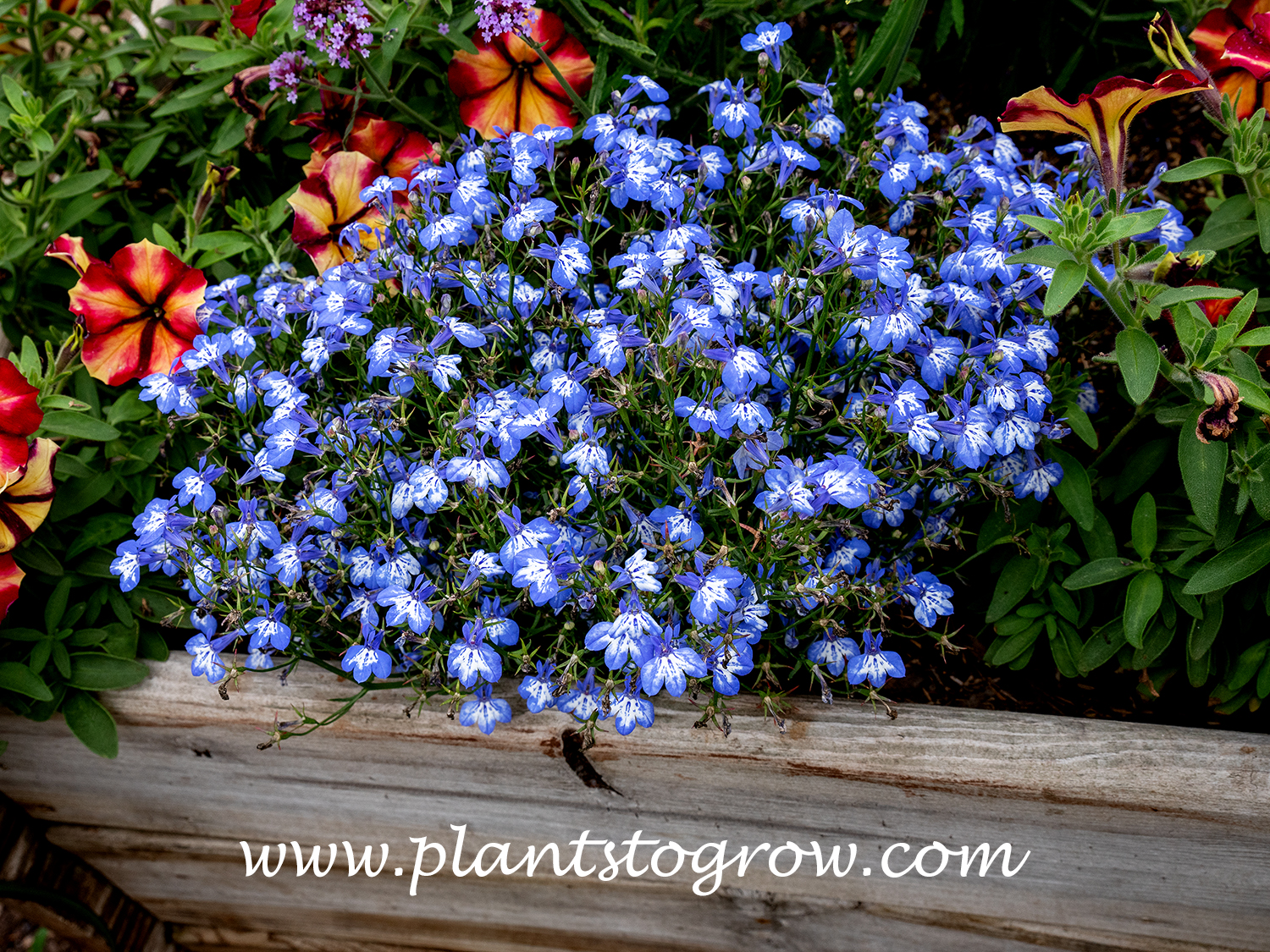
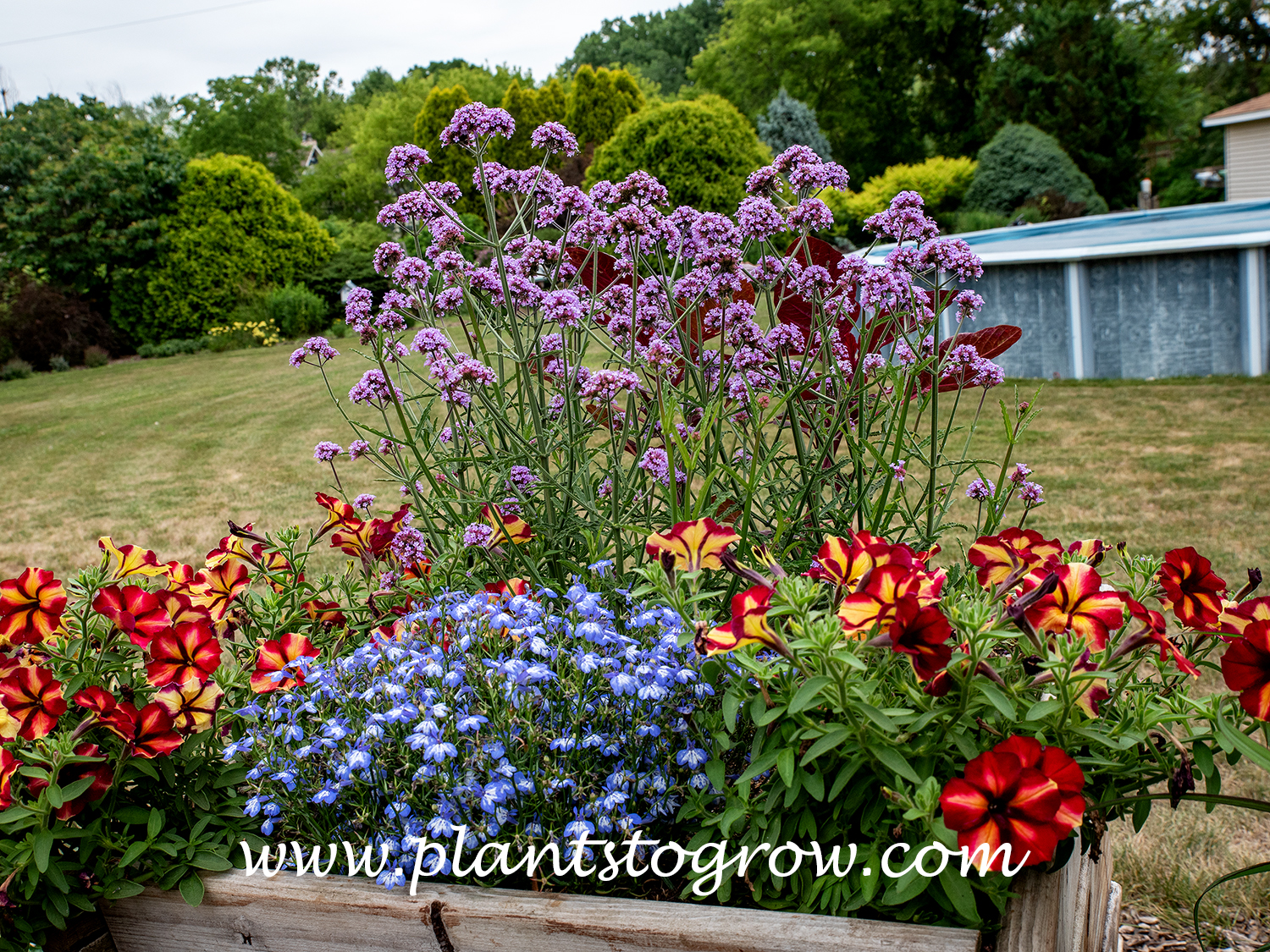
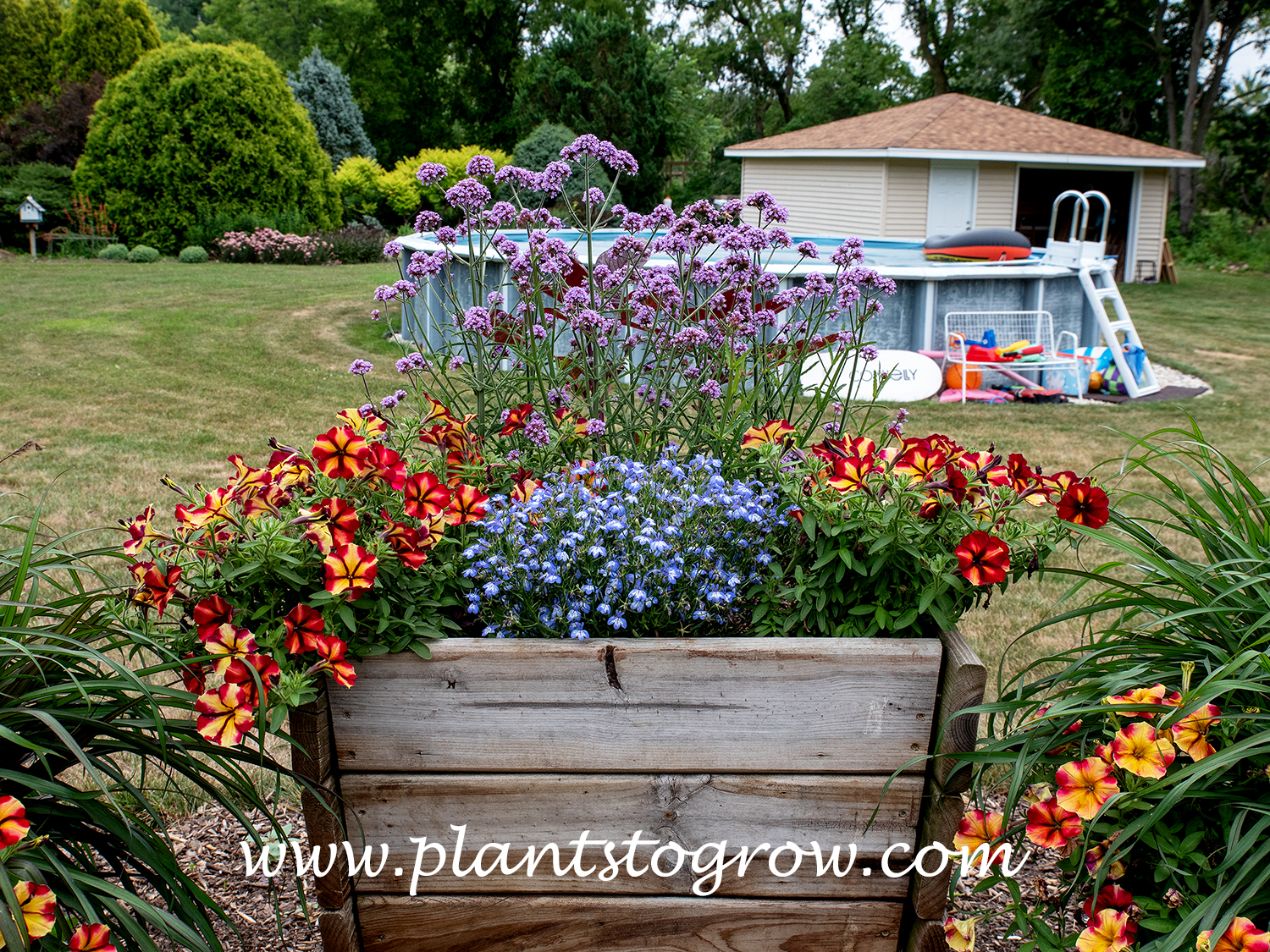
| Description | Hot and Pretty Heaven Lobelia (Lobelia erinus) is a mounding, cascading annual with blue flowers. |
|---|---|
| Pronunciation | (lo-BEE-lee-ah) |
| Plant Type | Annuals, Perennial Tender, Site author's observations, Tender perennials often grown as annuals |
| Hardiness Zone | 9-11 |
| Sunlight | Said to tolerate full sun, which is a new trait in Lobelia. I have grown this one in full morning sun and it did well. |
| Moisture | When grown in the garden, Lobelia requires average water. In containers, Lobelia rapidly fills in a pot and needs to be kept moist, or it will quickly dry out. |
| Soil & Site | average, well-drained, never soggy |
| Growing Media | Growing media for containers is best if well-drained and moisture-retentive. |
| Temperature | Performs best in the cooler part of the growing season, slows down in hot weather, and has tolerated cooler temperatures down to the 40s F. |
| Flowers | The flowers are fan-shaped with two small petals and three broad petals. White with blue petals. |
| Leaves | Narrow green leaves. |
| Stems | Stems are wiry, much-branched, forming a tangled web. |
| Dimensions | 6 by 12 inches, mounding trailing growth habit. |
| Maintenance | May need a light shear in mid-summer to promote new foliage and flowers. It can be cut back hard if needed. |
| Propagation | Tiny seeds are slow to germinate. I like to seed directly into the final container or a peat-type pot, rather than seeding in a flat and then pricking out. It can be rooted from cuttings, but it is a little difficult because the thin, wiry stems can be hard to stick. |
| Native Site | Regions within South Africa. |
| Cultivar Origin | Westhoff of Germany bred the Hot® Lobelia Series. |
| Misc Facts | Named after Matthias De L'Obel, an English botanist. Contains a poison alkaloid called Lobeic acid. |
| Author's Notes | Used this Lobelia in 1/2 day, full morning sun, and it did well. |
| Notes & Reference | #109-Annuals and Tender Perennials for North American Gardens (Wayne Winterroud), #274-Site Authors' observations and growing experiences of using this Lobelia. |

Cart