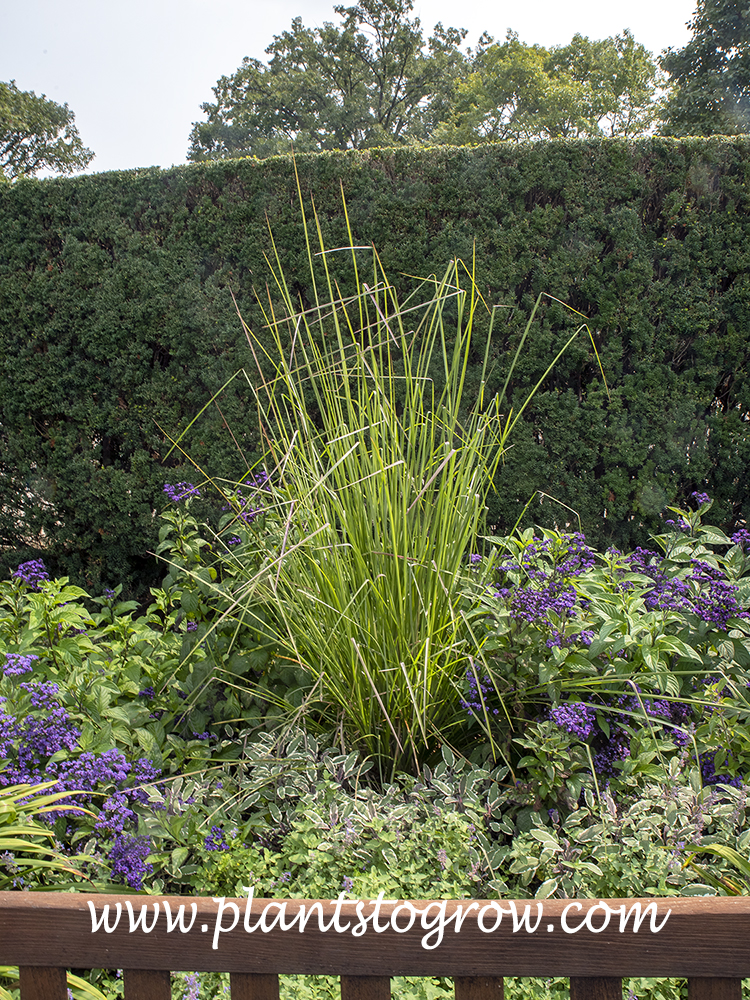
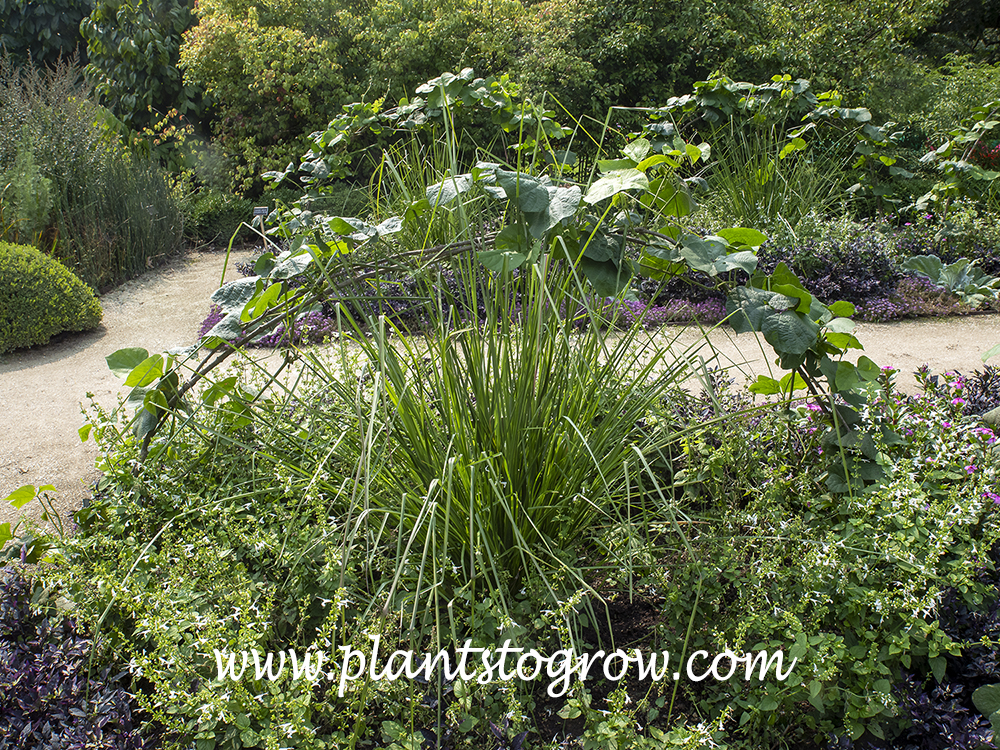
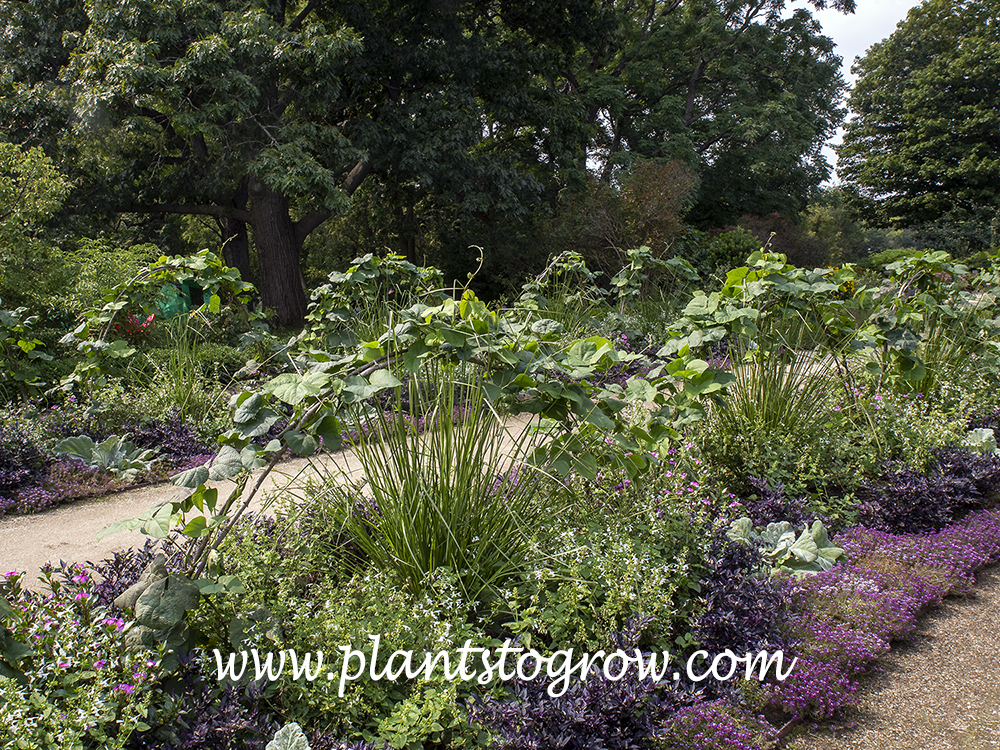
| Description | Vetiver (Vetiveria zizanioides) A plant that is grown as an ornamental but has many other uses such as soil stabilization, cattle food, woven into baskets and mats, medicines, etc. |
|---|---|
| Plant Type | Grass Ornamental |
| Hardiness Zone | 9 |
| Sunlight | full |
| Moisture | average, tolerates drought, tolerates wet and submerged conditions |
| Soil & Site | average tolerates almost any type of naturally occurring soil and some contaminated in the soil |
| Temperature | about 20 degrees F |
| Flowers | will only flower in warmer climates |
| Leaves | still, narrow, upright |
| Stems | erect, stiff |
| Roots | fibrous, grow almost exclusively downward, deeply penetrates the soil |
| Dimensions | under ideal conditions 8 feet or taller |
| Propagation | division |
| Native Site | eastern India |
| Cultivar Origin | There are a few cultivars, one is Sunshine Vetiver which is noninvasive and has red/purple foliage. Originated in around 1998 from the USDA. (#156) |
| Misc Facts | AKA: Chrysopogon zizanioides, Vetiver, Khus Khus, Phalaris zizanioides |
| Author's Notes | This plant seems to be a "wonder plant". Many medicines, perfumes, and oils can be extracted. It can be cattle food. Survives many different types of climates, soils, and environments. Because of this and a deep strong root system, it can be used to stabilize the soil. Leaves are also made into baskets and mats. |
| Notes & Reference | #156-San Marcos Growers web site (www.smgrowers.com), #222-The Encyclopedia of Grasses for Livable Landscapes (Rick Darke) |

Cart