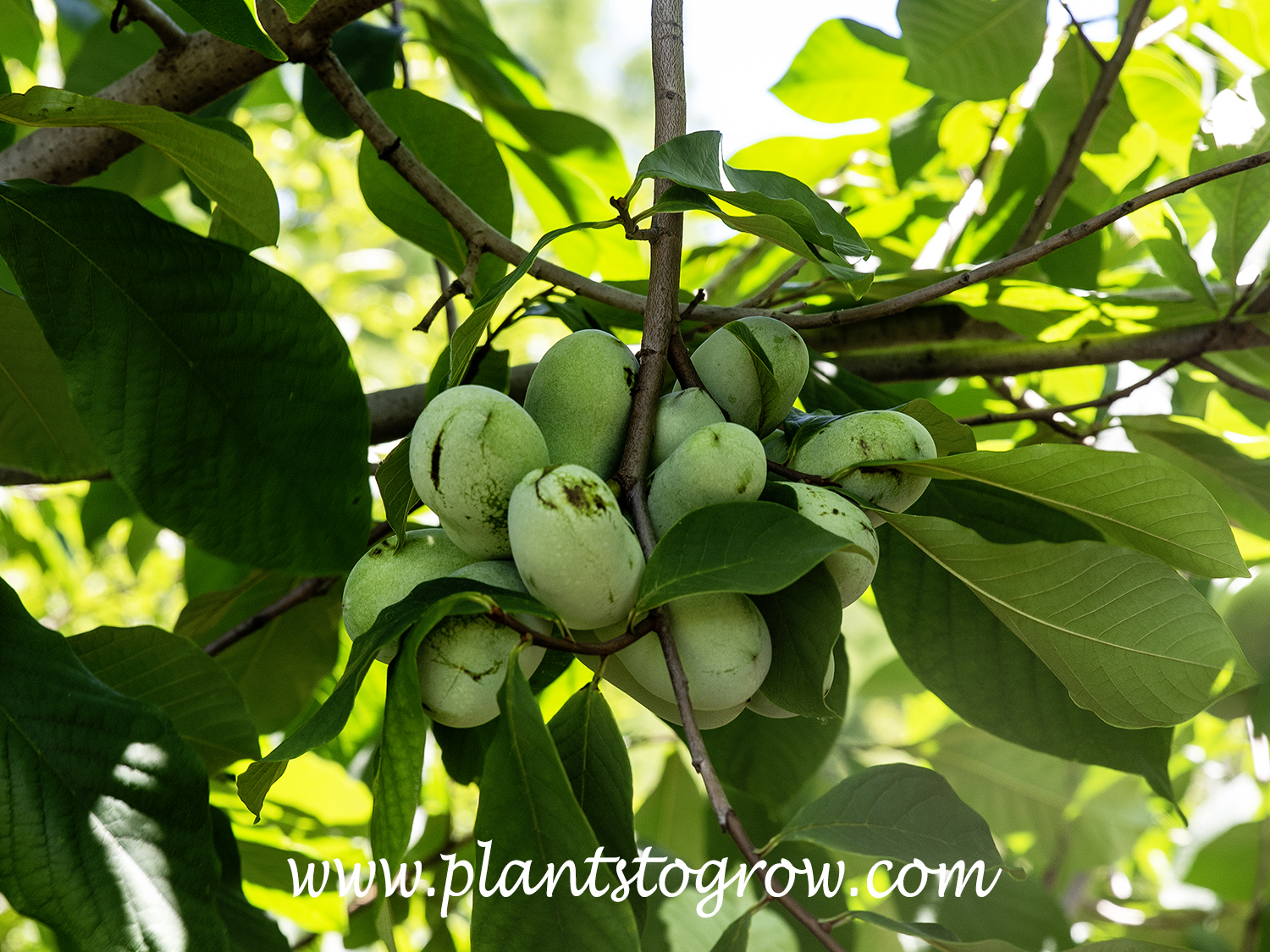
| Description | Wilson Pawpaw (Asimina triloba) is a small, shade-tolerant tree. Produces a soft, edible custer-like fruit. |
|---|---|
| Pronunciation | (A-sim-i-na)(tri-LOO-ba) |
| Plant Type | Edible Fruit, Trees Deciduous |
| Hardiness Zone | 5-8 |
| Sunlight | full, some shade |
| Moisture | average, prefers moist |
| Soil & Site | average, prefers moist |
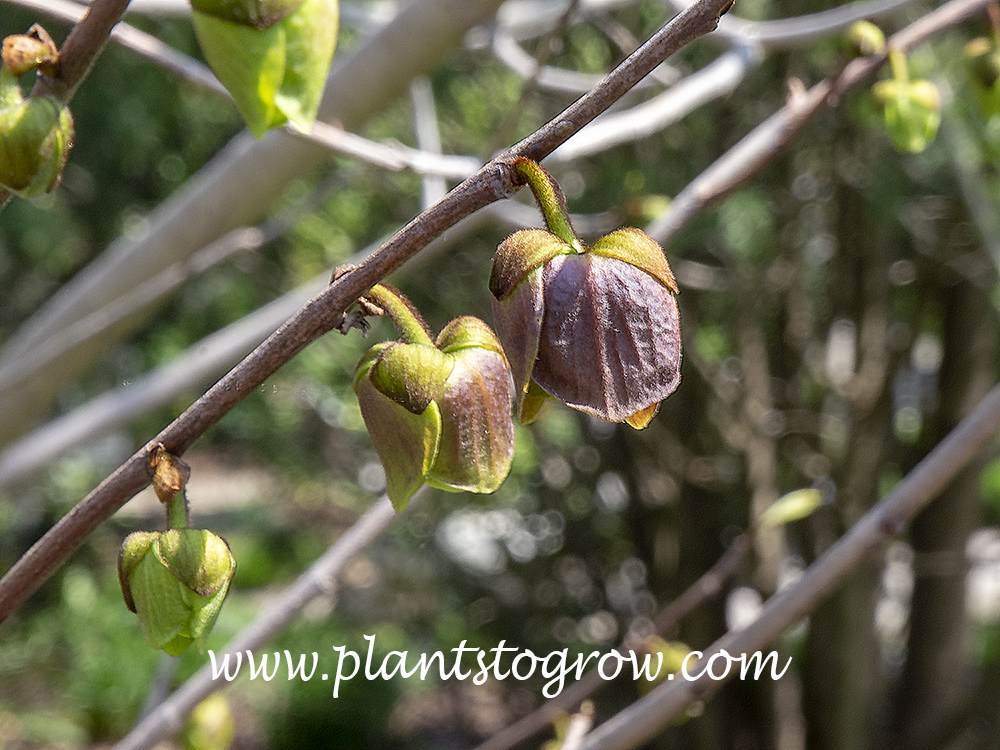
| Flowers | single, dull plum purple, six petals, the outer being more significant than the inner, blooms before leaves form (precocious) |
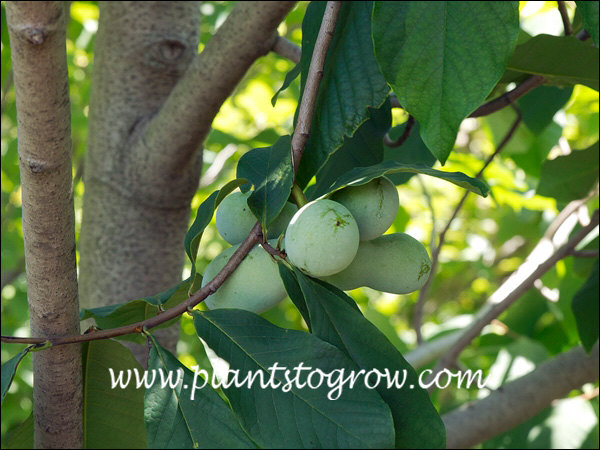
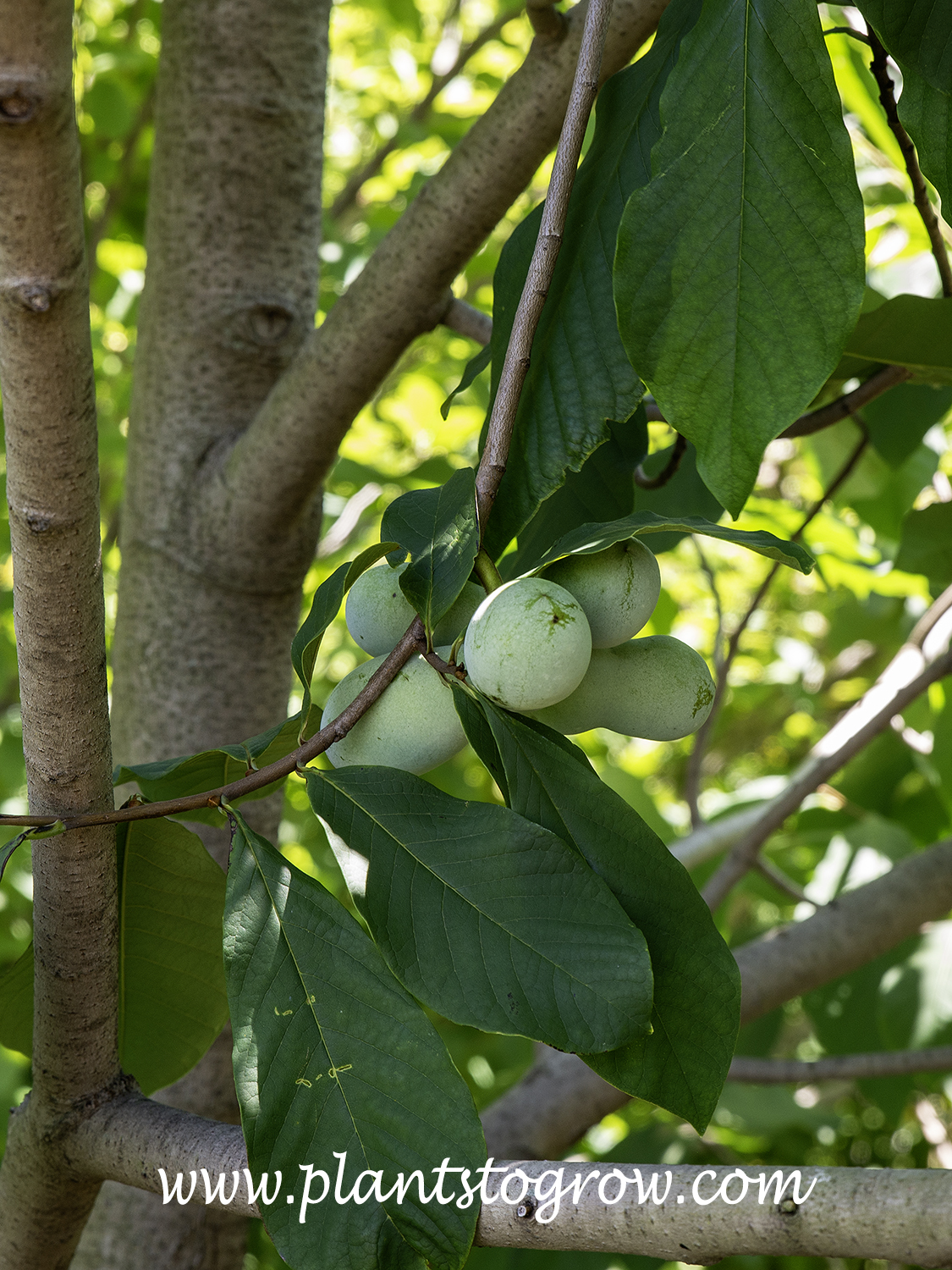
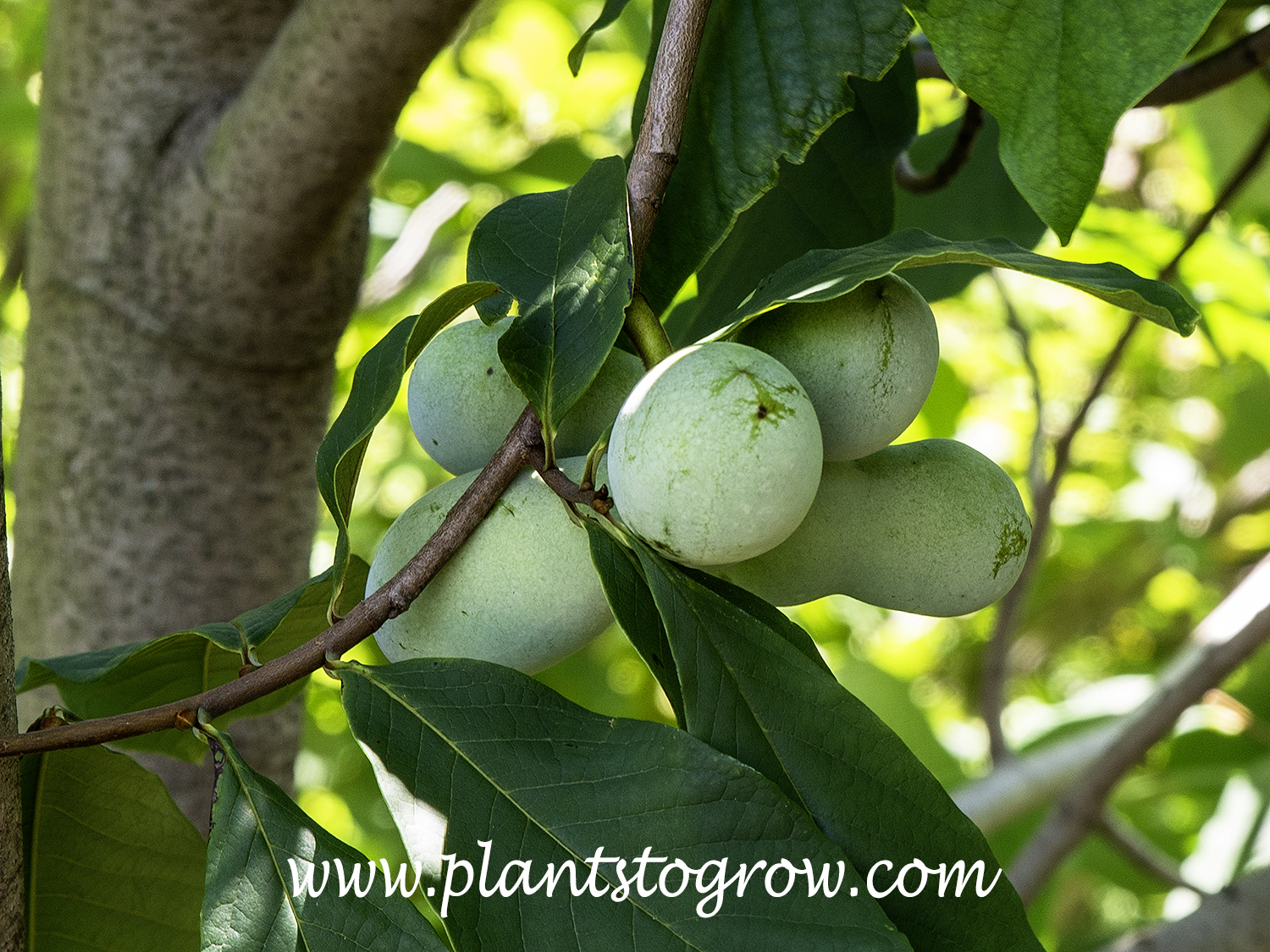
| Fruit | an edible fruit, yellow to orange flesh, with a custard texture, a fragrant aroma |
| Leaves | simple, alternate, 6-12 inches long, green turning to yellow or cinnamon color in the fall |
| Dimensions | small deciduous tree |
| Propagation | grafting |
| Native Site | Native to United States from Florida to New York west to Nebraska and Texas. |
| Cultivar Origin | Selected from the wild on Black Mountain, Harlan Co., KY, by John V. Creech in 1985. (#A) |
| Notes & Reference | #01-Manual of Woody Landscape Plants (Michael A. Dirr), #39-The Natural History of Trees (Donald Cultrose Pattie), #93-North American Landscape Trees (Arthur Lee Jacobsen, #A www.kysu.edu/academics/college-acs/school-of-ace/pawpaw/2009-pawpaw-cultivars-and-grafted-tree-sources.php |

Cart