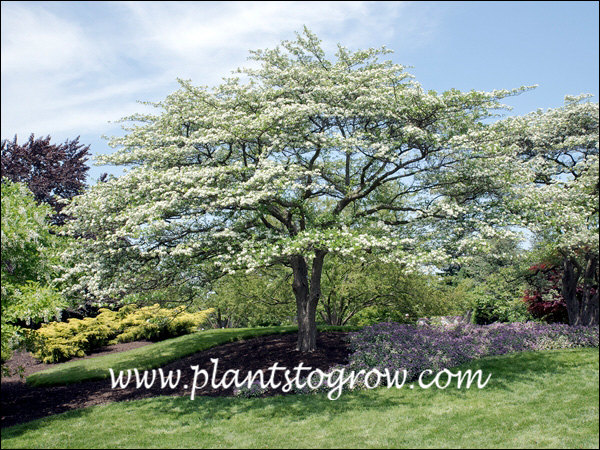
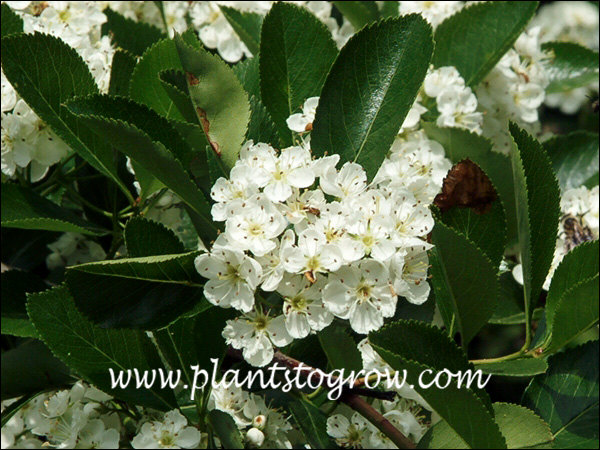
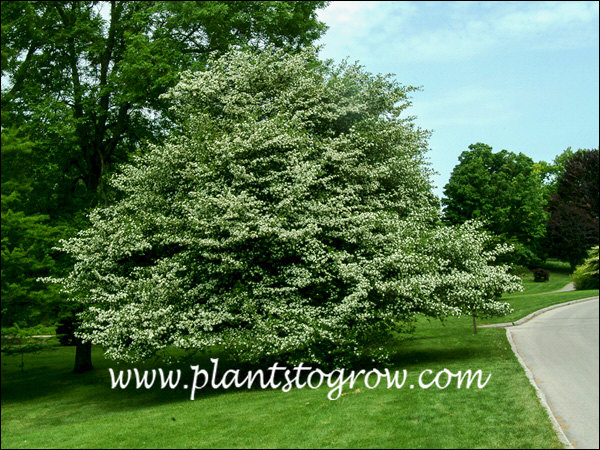
| Description | A broad spreading tree that is armed with long, pointed thorns. |
|---|---|
| Pronunciation | (kra-TEE-gus)(krus-GA-li) |
| Plant Type | All Plants, Trees Deciduous |
| Hardiness Zone | 4-7 |
| Sunlight | full |
| Moisture | average |
| Soil & Site | average |
| Flowers | white inflorescence |
| Fruit | pome-like drupe, reds |
| Leaves | lack lobes, dark glossy green, bronze red to purplish red in fall |
| Stems | bark fibrous shredding |
| Dimensions | 20-30 by 20-25 feet (HS) |
| Propagation | seeds |
| Misc Facts | The genus name comes from the Greek name for the tree. From kratos, meaning strength, for its strong, hard wood. Crus-galli in Latin means leg of a cock in reference to the purported resemblance of the thorns of this plant to a cock's spurs. The specific epithet of this plant is sometimes also designated as crusgall". (#144) AKA: cockspur thorn, Newcastle hawthorne, Newcastle thorn, hog apple |
| Notes & Reference | #01-Manual of Woody Landscape Plants (Michael Dirr), #110-Hawthorns and Medlars (James Phipps), #144-Missouri Botanical Gardens web site (www.missouribotanicalgarden.org) |

Cart