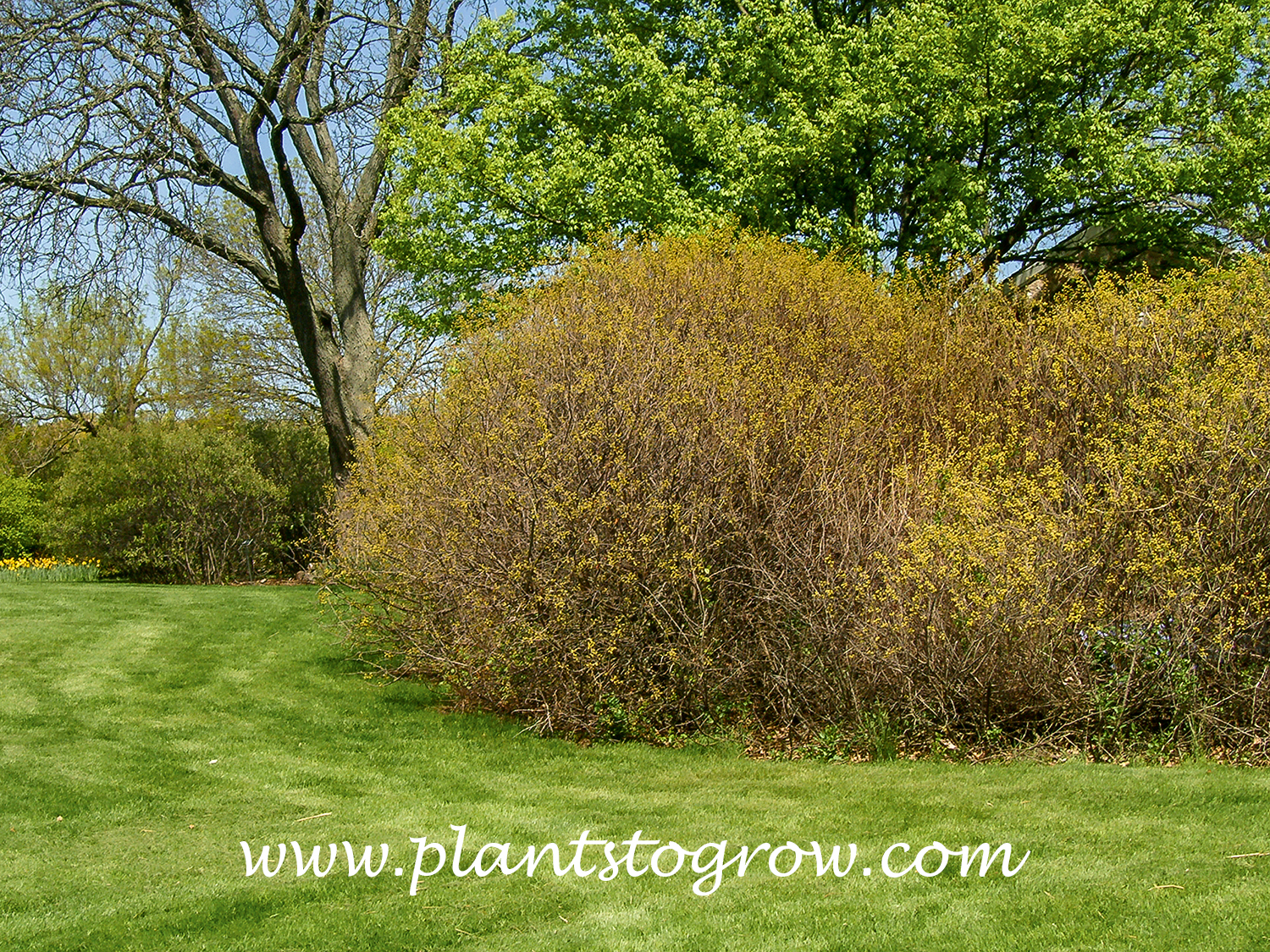
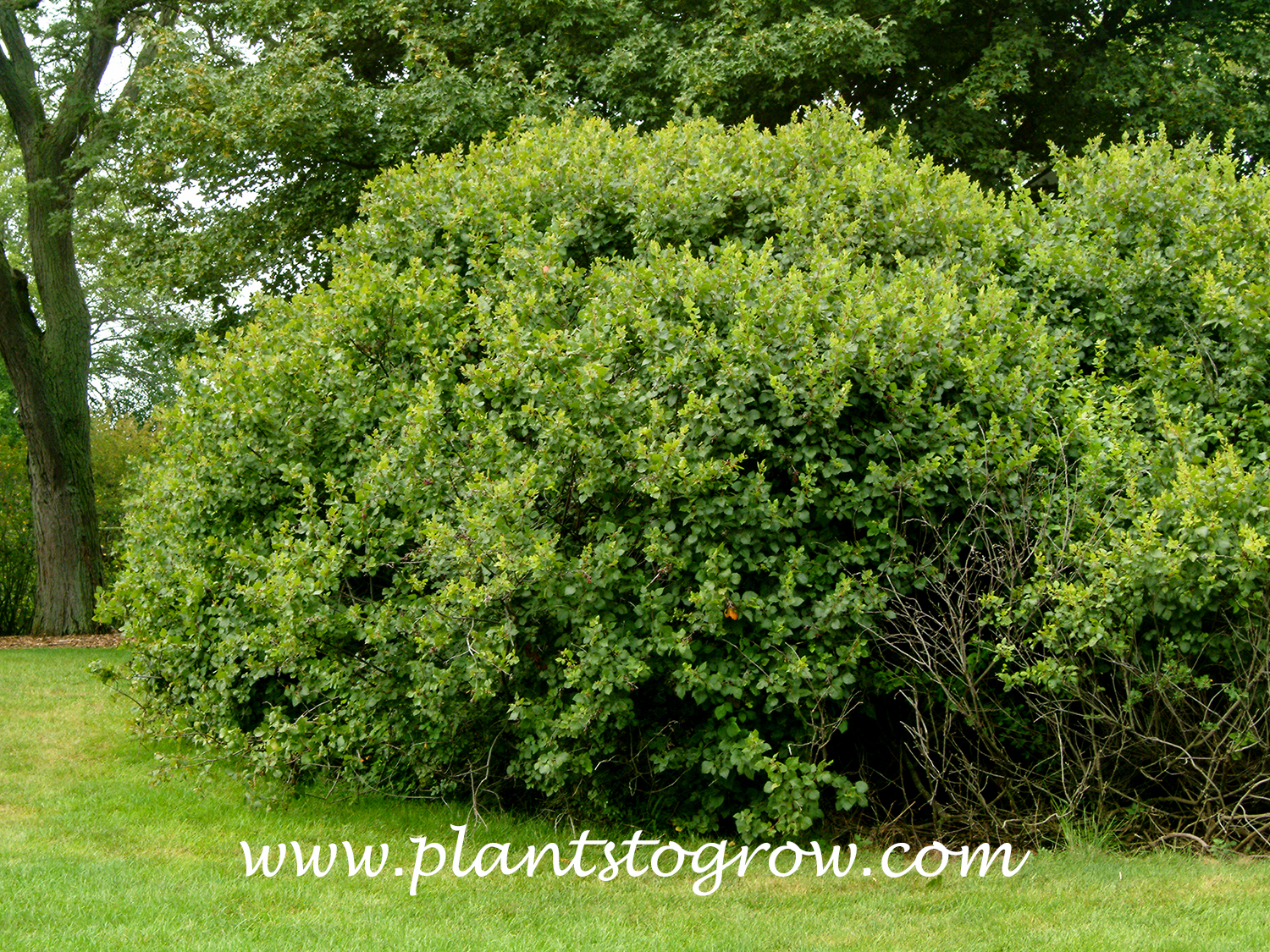
| Description | Fragrant Sumac (Rhus aromatica) is a medium to large shrub that forms a dense tangle mass of stems. Good for naturalizing on difficult sites. |
|---|---|
| Pronunciation | (ROOS or RH-us))(a-row-MAT-ik-ah) |
| Plant Type | Shrubs Deciduous |
| Hardiness Zone | 3-9 |
| Sunlight | Grows best in full sun. Will tolerate some shade, |
| Moisture | average, tolerates dry |
| Soil & Site | Very adaptable, prefers acidic soil but tolerates most. |
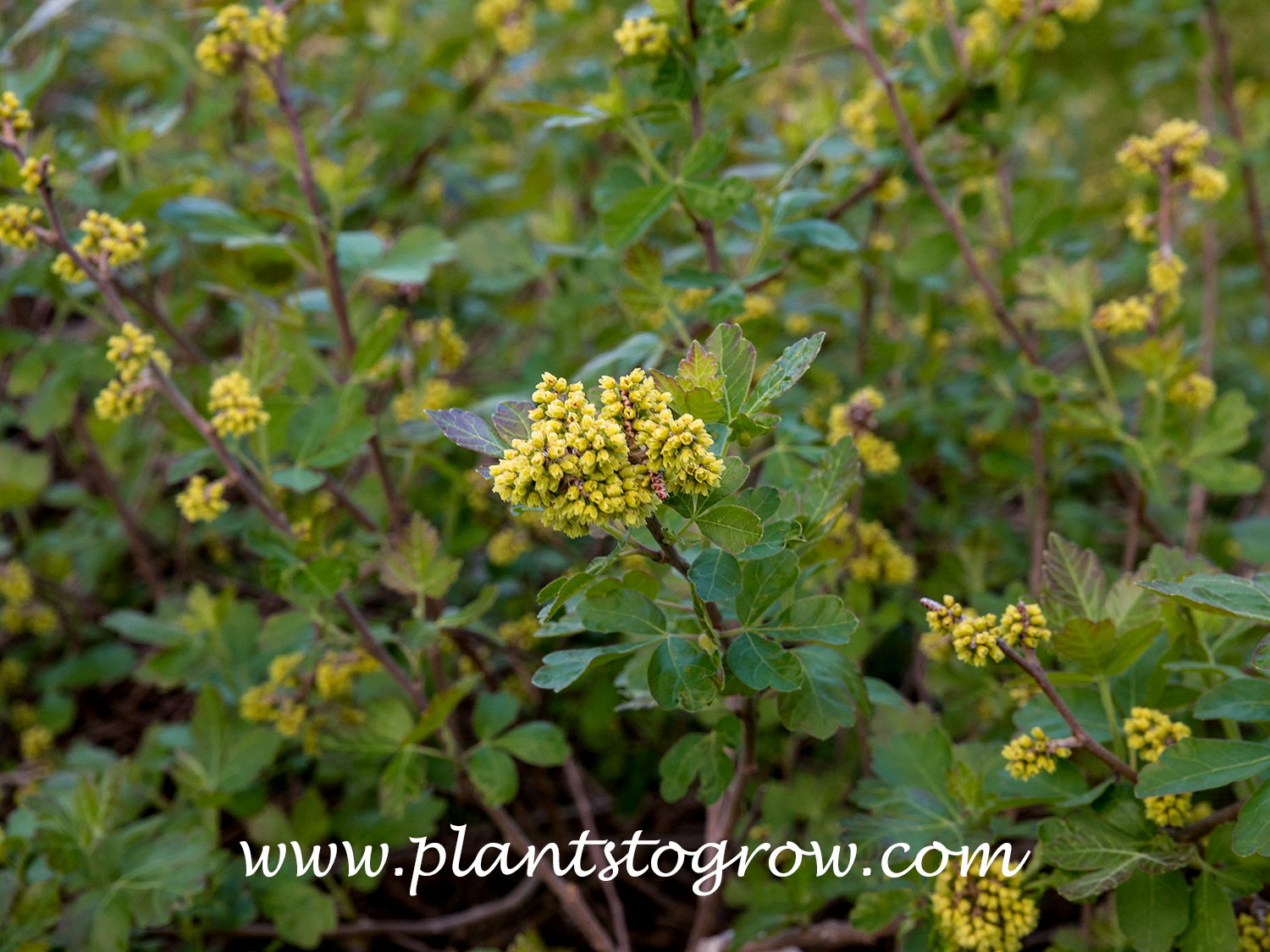
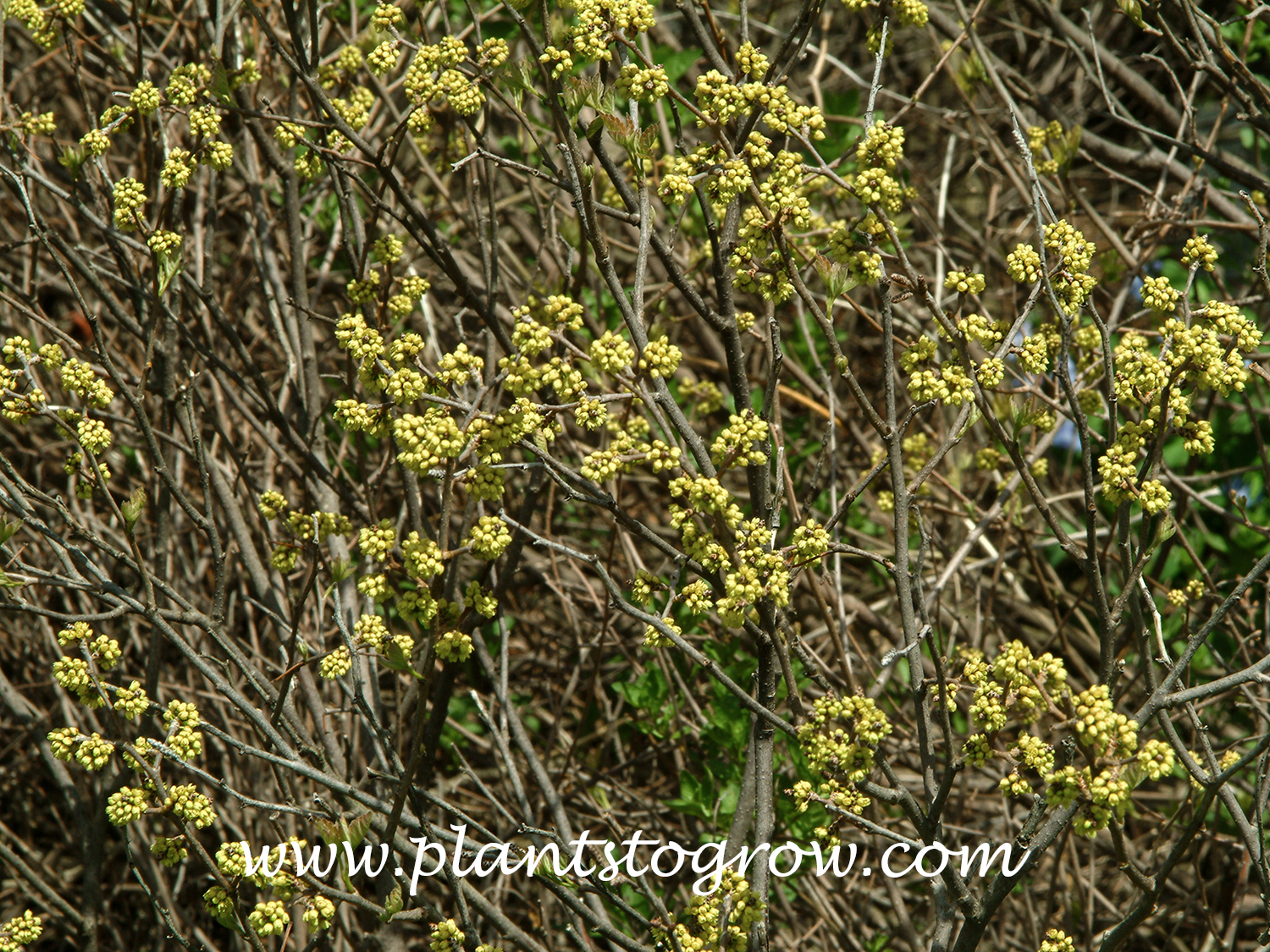
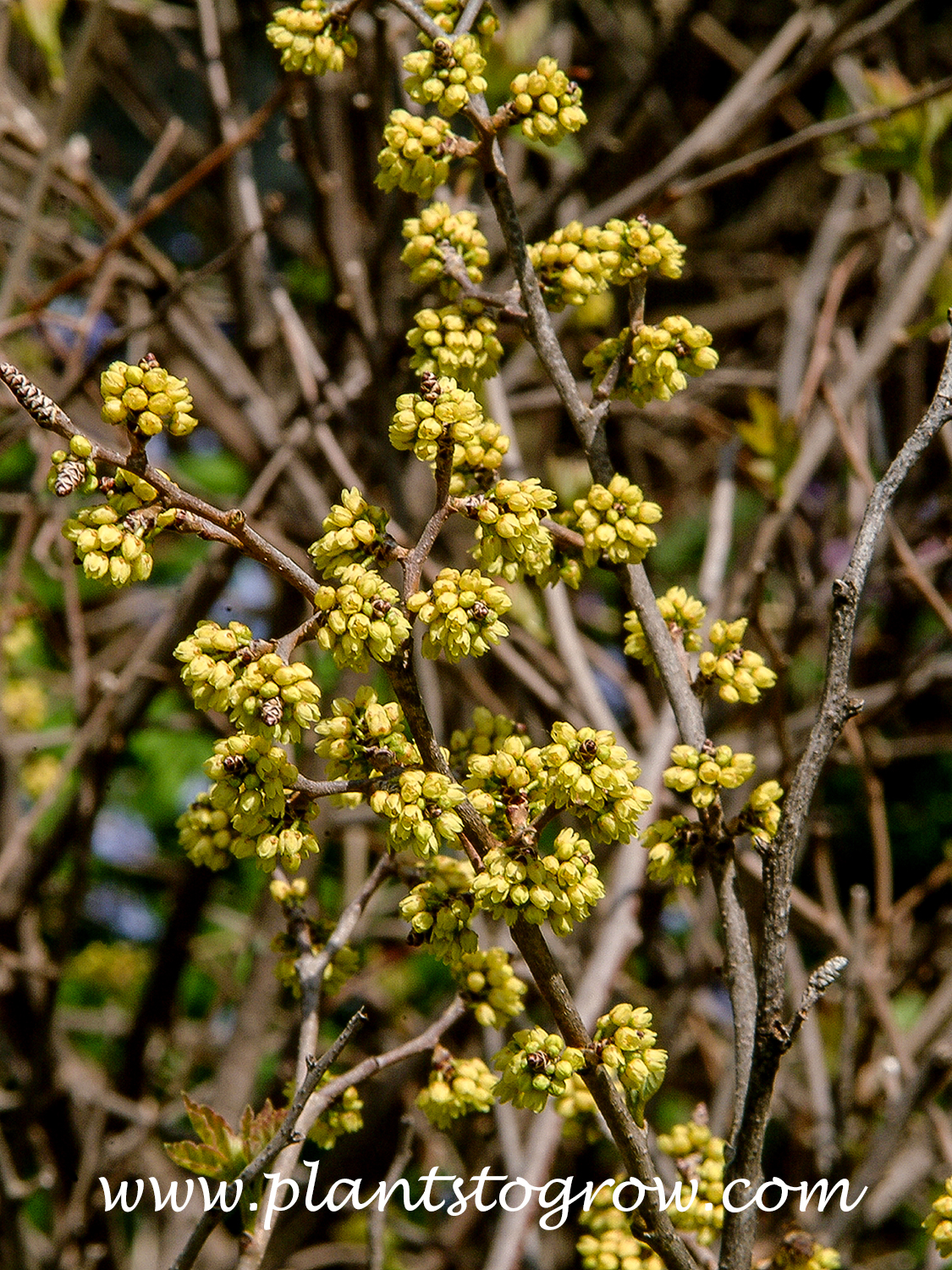
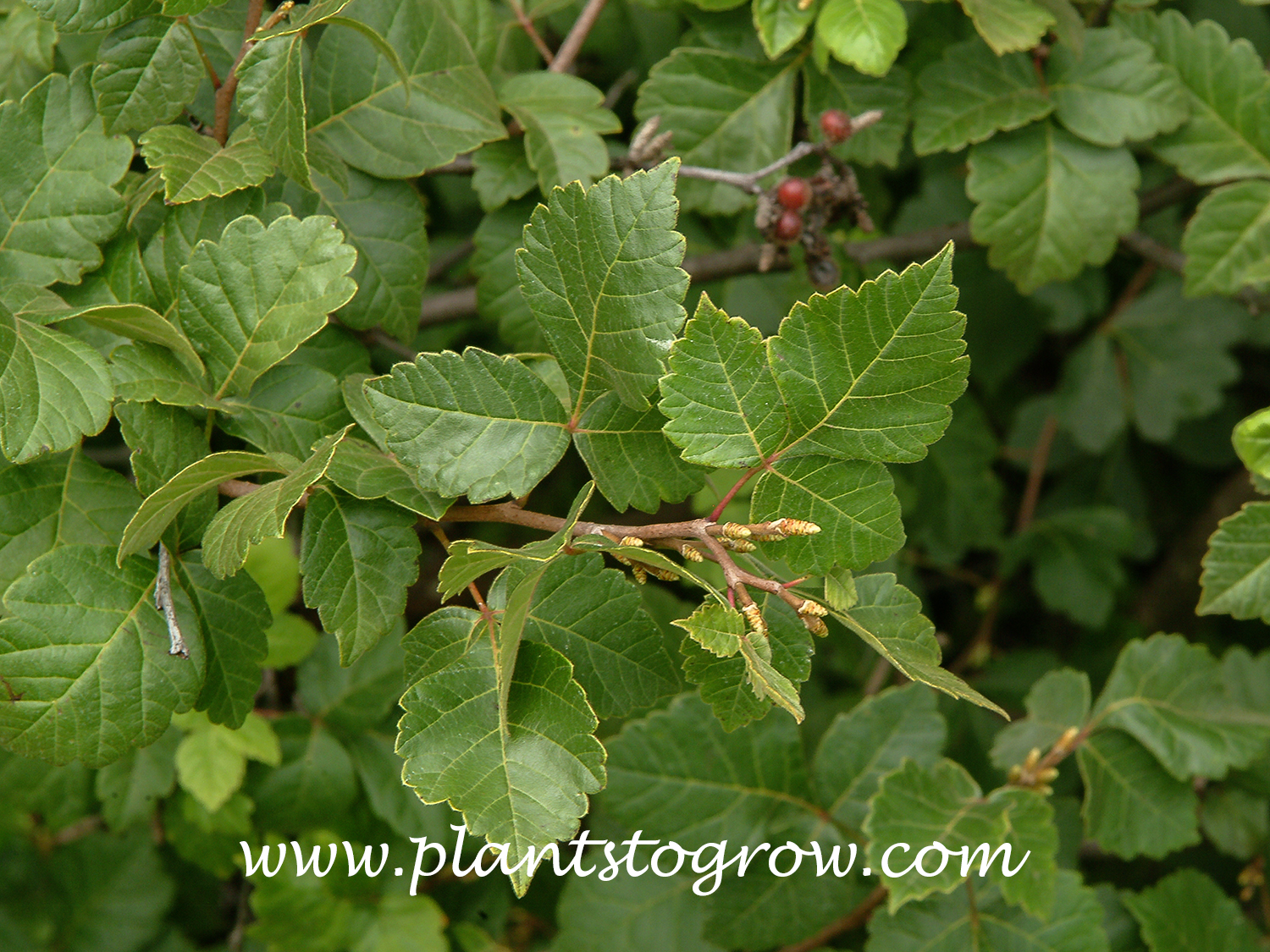
| Flowers | Small yellow flowers appear before the leaves. Female flowers grow on short panicles, while male flowers are found in catkins. |
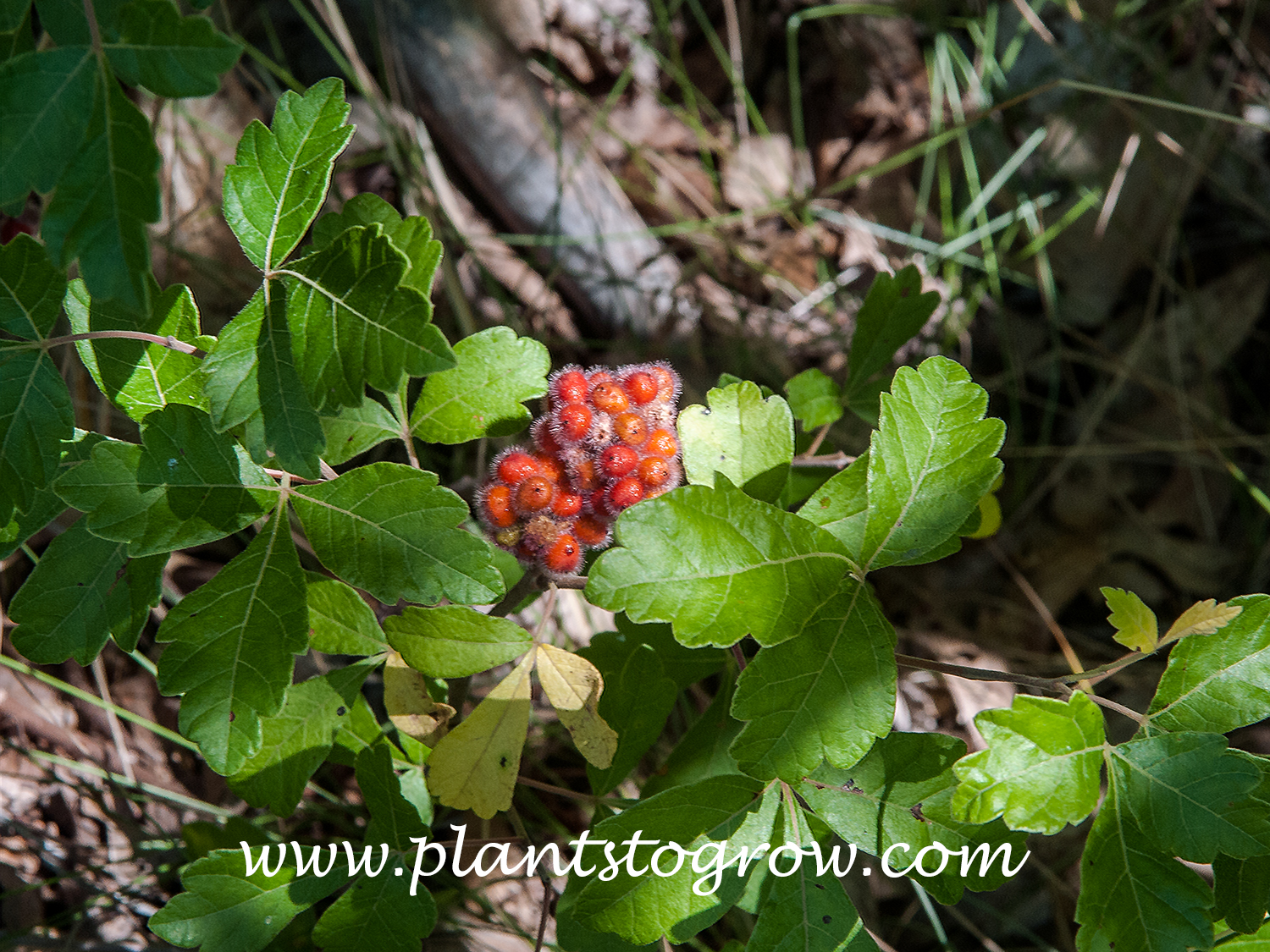
| Fruit | The female flowers produce clusters of red fruit called drupes. |
| Leaves | Trifoliate leaves are shiny on their upper surfaces and covered with fine hairs on their lower surfaces. They are green during the growing season but may turn red or orange in the fall. However, fall color can be inconsistent; when it does occur, it’s quite striking. Additionally, the foliage releases a fragrant smell when crushed. |
| Stems | Young stems are brown, pubescent, woody, zig-zag form, and spreading. They develop a gray color with age. Stems can root when touching the soil. |
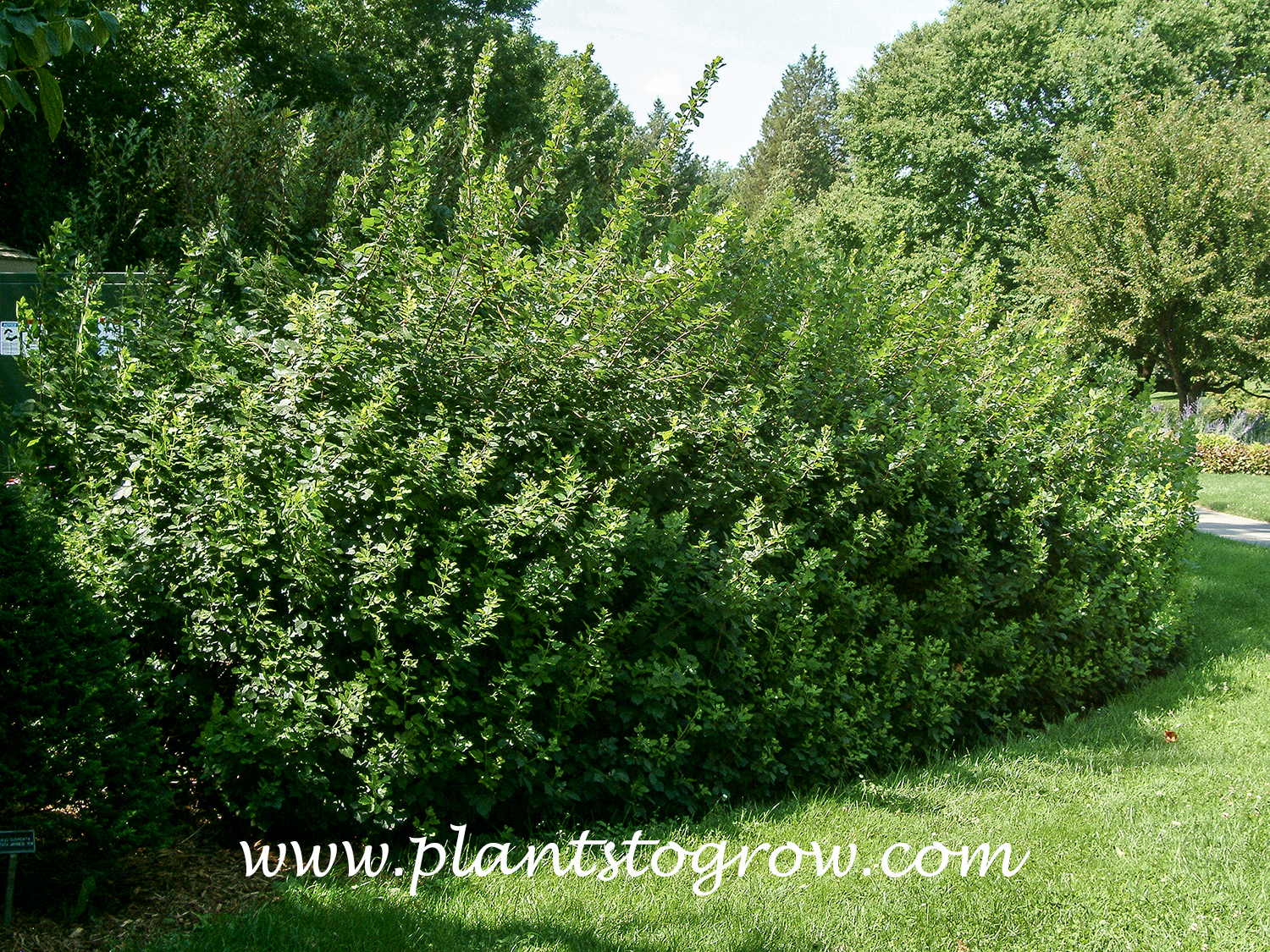
| Dimensions | A scrambling, spreading shrub that grows 5-6 feet tall and spreads 6-10 feet wide. It propagates through root suckers, forming colonies and thickets. |
| Maintenance | Can be rejuvenated by hard pruning. |
| Propagation | seeds, cuttings |
| Native Site | Native to North America from eastern Canada to Mexico. |
| Misc Facts | The fruit can be made into a tea that tastes like lemon, the genus name. Rhus is an old Greek name for Sumac or rhous. The species aromatic means fragrant. |
| Notes & Reference | #01-Manual of Woody Landscape Plants (Michael Dirr), #270-North Carolina Extension Gardener Tool Box (https://plants.ces.ncsu.edu/plants) |

Cart