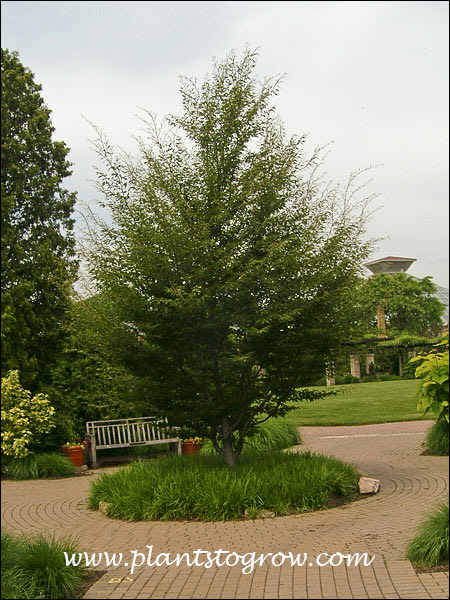
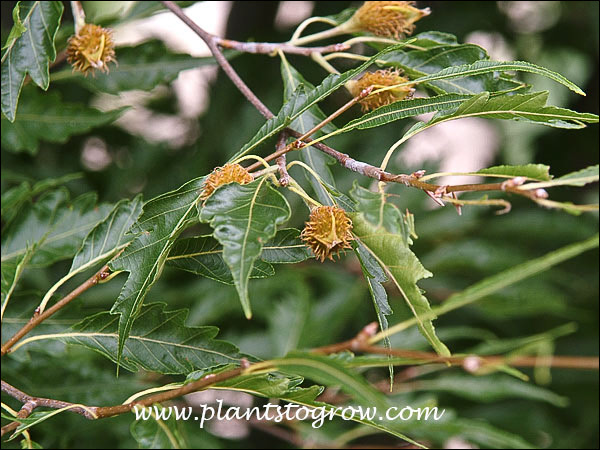
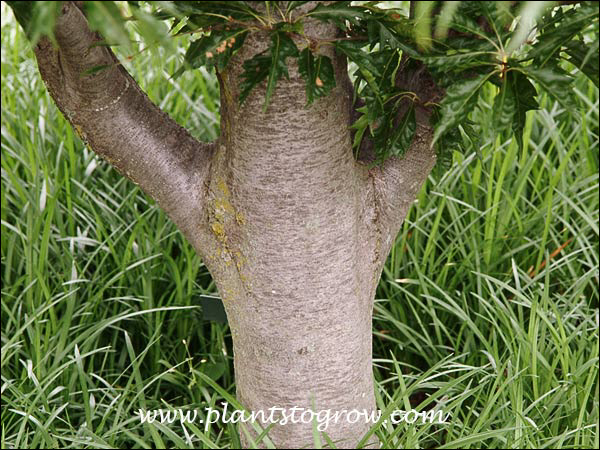
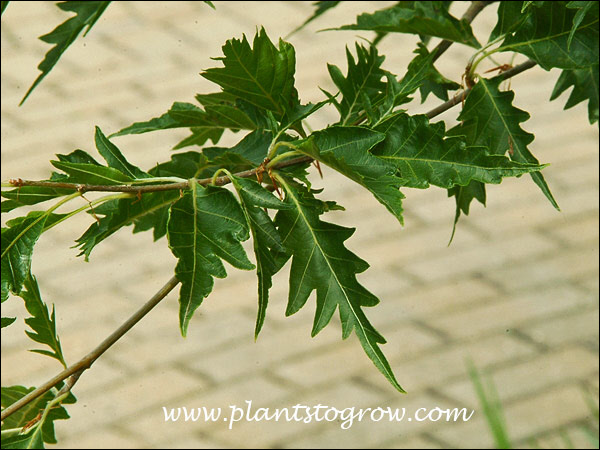
| Description | Fern Leaf European Beech (Fagus sylvatica Asplenifolia) a cultivar with deeply cut, laciniate leaves. |
|---|---|
| Pronunciation | (FA-gus)(sil-VAT-i-ka) |
| Plant Type | All Plants, Trees Deciduous |
| Hardiness Zone | 4-9 |
| Sunlight | full, tolerates some shade |
| Moisture | average, avoid wet areas and compact soil |
| Soil & Site | preferrs well drained, average |
| Flowers | inconspicuous, monoecious, male and female flowers separate on the same tree |
| Fruit | forms a triangular nut enclosed in a spiky 4-lobes involucre, contains 2 nuts |
| Leaves | simple, green, deeply cut, golden yellow/bronze fall color |
| Dimensions | can reach 60 by 50 feet or more |
| Maintenance | could sucker |
| Cultivar Origin | Introduced around 1804 by Conrad Loddiges and Sons Nursery, England. |
| Misc Facts | "Fagus [genus name] is derived from Greek phegos (beech) or phago- (eating) component, and is the Latin name for 'beech tree'. Sylvatica means 'wild, of or from woods or forests". (#145) AKA: Cutleaf European Beech, Fernleaf Beech |
| Notes & Reference | #01-Manual of Woody Landscape Plants (Michael Dirr, #93-North American Landscape Trees (Arthur Lee Jacobson), #145-Plant Lives (Sue Eland) www.plantlives.com |

Cart